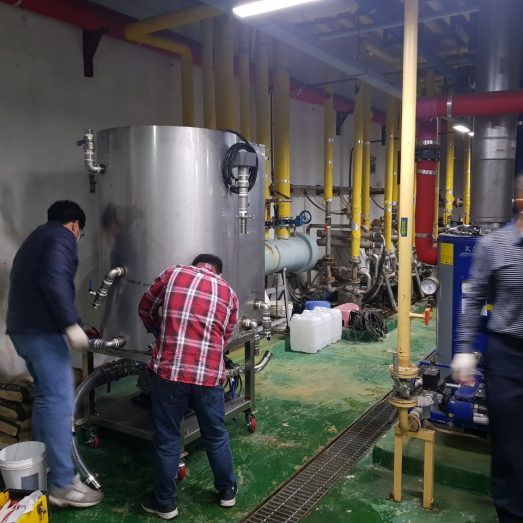
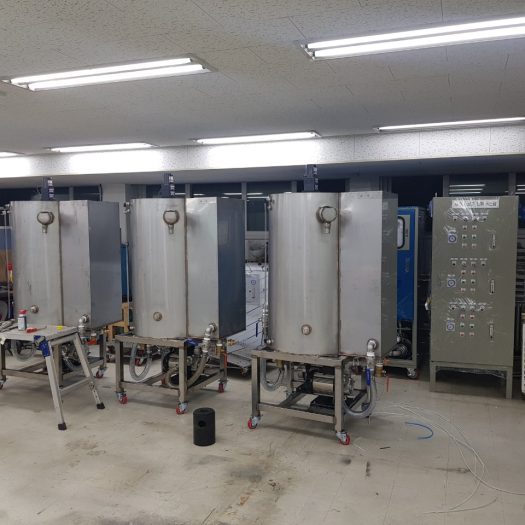
Nanobubbles and an active catalyst purify, disinfect and deodorize water from saunas, pools, food plants and fish farms so it can be reused.

Used water is purified by the nanobubble and catalyst system and circulated again. Organic matter breaks down, pipes stay clean and bath water stays clear.
More dissolved oxygen than ordinary water reduces pollutants and odors. They also generate over 10 times the negative ions of a waterfall.
NaOCl solution contacting a metal-oxide catalyst produces superoxide ions (O©ü⁻) and OH radicals that drive oxidation-reduction reactions in the water.
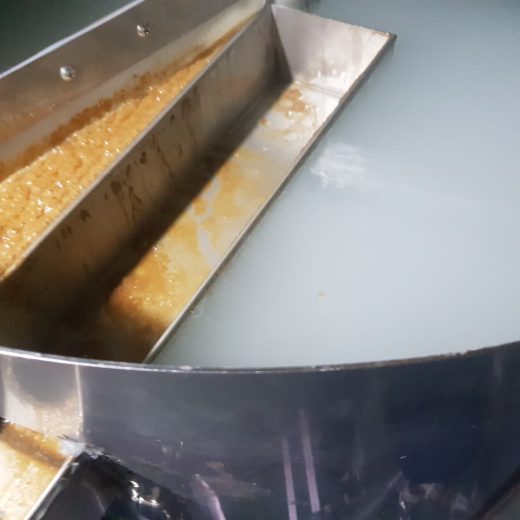
Sludge and organic matter float up and are removed, keeping water clean and clear around the clock.
Metal oxides used: Na©üO ¡¤ CaO ¡¤ Al©üO©ý ¡¤ MgO ¡¤ B©üO©ý ¡¤ Li©üO ¡¤ BaO ¡¤ ZrO©ü ¡¤ TiO©ü ¡¤ ZnO ¡¤ PbO ¡¤ SrO ¡¤ Fe©üO©ý ¡¤ CeO©ü
Kills common bacteria and Legionella and removes odors.
Detaches scale and reduces sludge.
Less algae and fouling means less spent on cleaning chemicals.
Sharply cuts sauna boiler fuel and water costs.
Baths, floors, walls and pipes no longer feel slimy.
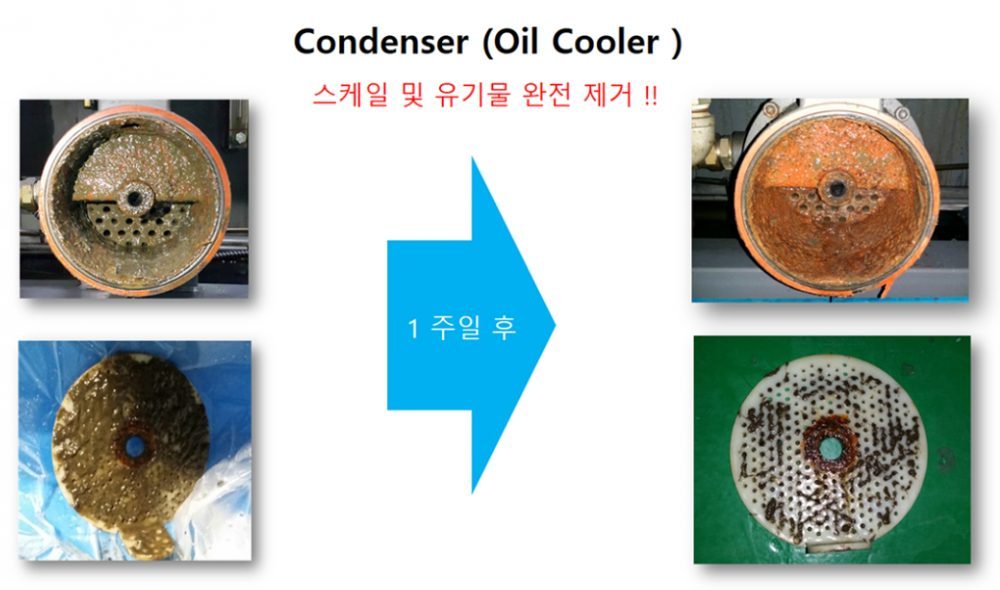
Removes hardened scale from heat exchangers and condensers.
| Item | Details |
|---|---|
| Installation | Replaces the existing sand filter ¡¤ hot, warm and cold baths, resort pools |
| Operation | Water changed only once or twice a month ¡¤ 70–80% lower water and fuel bills for a typical bath |
| Water quality | Same quality morning and evening ¡¤ clearer than with a sand filter, passes E. coli tests |
| Bathing comfort | Neutralizes chlorine by-products (trihalomethanes) ¡¤ catalyst water with antibacterial and deodorizing effects |
| Maintenance | No consumables to replace periodically — eco-friendly and easy to maintain |
| Financing (Korea) | Low-interest loans from the Korea Energy Agency¡¯s energy rationalization fund can reduce the installation cost |
At a sauna treating 180 tonnes of water a day with six units, annual energy cost fell from KRW 94.3 million to KRW 23.2 million.
| Item | Before | After |
|---|---|---|
| City gas | 107,812 Nm©ø ¡¤ KRW 86,249k ¡¤ 111.13 toe | 10,235 Nm©ø ¡¤ KRW 8,188k ¡¤ 10.29 toe |
| Electricity | 70,325 kWh (chiller) ¡¤ KRW 8,087k ¡¤ 16.03 toe | 130,939 kWh (30,139 + system 100,800) ¡¤ KRW 15,057k ¡¤ 29.9 toe |
| Total | KRW 94,336k ¡¤ 127.16 toe | KRW 23,245k ¡¤ 40.19 toe |
Conditions: 180 t/day (2 t/h ¡¿ 6 units ¡¿ 15 h), units 3.2 kW ¡¿ 6, 350 days/year at 15 h/day, hot/warm baths 120 t (41 ¡ÆC) / cold bath 60 t (18 ¡ÆC), 39 ¡ÆC water reheated by only 2 ¡ÆC, mains water 16 ¡ÆC annual average, LNG KRW 800/Nm©ø, electricity KRW 115/kWh, boiler efficiency 90%. System power (100,800 kWh/year, KRW 11,592k) is included in the post-installation electricity figure.
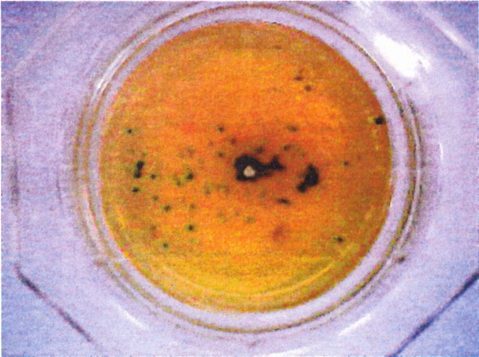
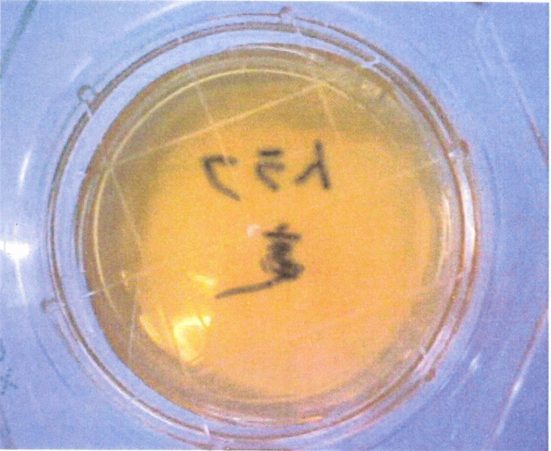
In stamp tests by a national testing agency, colonies of common bacteria and Legionella decreased from test 1 to test 3.