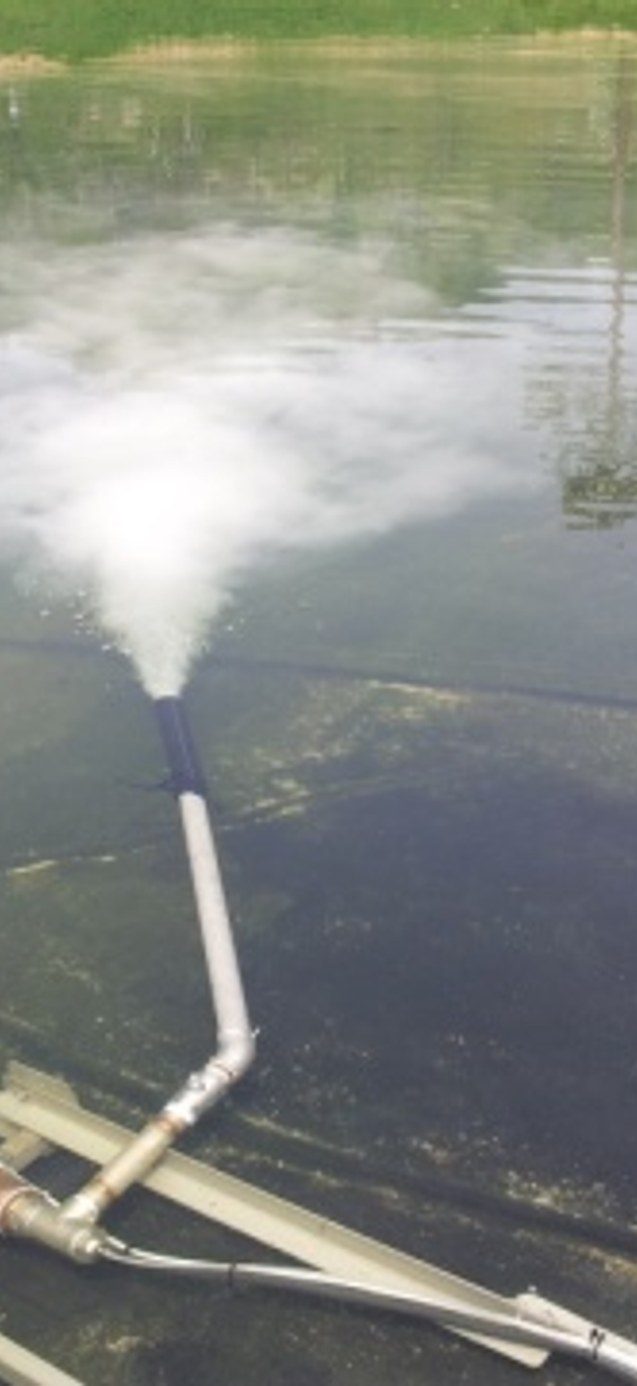
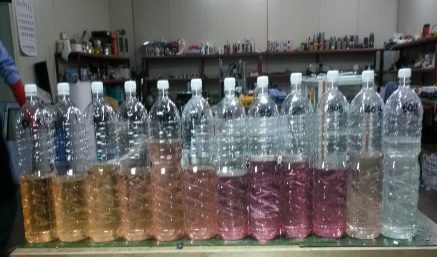
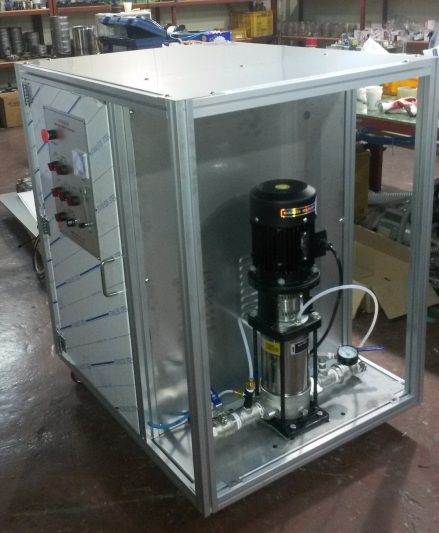
Water for disinfection and purification that generates hydroxyl radicals (OH¡¤) inside nano-micro bubbles made by our pressurized multistage jet mixer.

An eco-friendly agent with strong oxidizing power and fast reactions that directly breaks down and disinfects pollutants. It has long been seen as an alternative for oxidizing toxins, deodorizing, decolorizing, disinfecting and purifying.

OH radicals have an extremely short half-life, which made them hard to use. We developed technology that sustains them.
OH radicals form more readily in alkaline than acidic water and last only briefly. By combining the multistage jet mixer with nanobubble technology, we made them usable for disinfection, deodorization and purification — with bubble count and size adjustable on site.
Our pressurized multistage jet nanobubble OHR lets you adjust bubble count, size and dissolution rate.
| Gas supplied | Application |
|---|---|
| Ambient air | Wastewater systems, flotation tanks |
| Ozone (O©ý) | Decolorization, deodorization, disinfection |
| Oxygen (O©ü) | River and lake purification (algal blooms) |
| Hydrogen peroxide (H©üO©ü, AOP) | Fish and aquaculture |
| Carbon dioxide (CO©ü) | Carbonation and CO©ü dissolution |
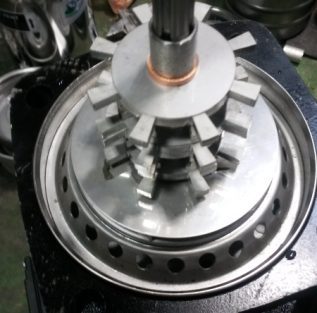
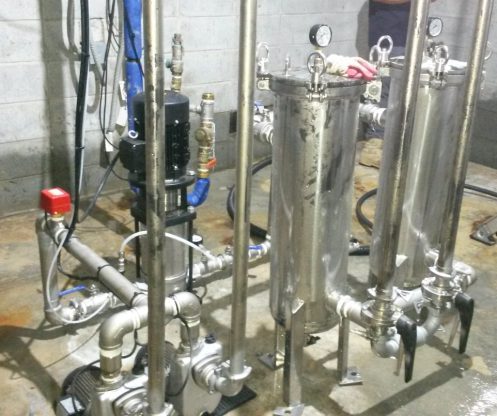
A jet design with gear-shaped blades in multiple stages. The blades turn at 3,600 rpm to mix water and gas instantly, and the resulting pressurized cavitation produces large numbers of micro-bubbles.
Few breakdowns and easy maintenance.
Breaks up large organic particles for fine gas-liquid mixing.
Users tune bubble count and size to suit each site.

Smaller bubbles rise more slowly and have a larger specific surface area, aiding mass transfer. By Stokes¡¯ law, a 50 ¥ìm bubble rises about 84 mm per minute at room temperature.
Bubble surfaces are negatively charged. In distilled water the zeta potential is about −35 mV, falling to 0 mV in strong acid and about −100 mV in strong alkali.
The pressure difference is given by the Young–Laplace equation ¥ÄP = 4¥ò/d; the smaller the bubble, the greater the difference.
Adiabatic compression raises the internal temperature; when a bubble bursts, it releases momentary high pressure and temperature.
An OH radical generator that combines generation of nano-micro bubbles under 20 ¥ìm with a multistage jet mixer that dissolves gas beyond saturation.
| Conventional pressure tank | OH Bubble (multistage jet mixer) |
|---|---|
| Clogs when foreign matter is present | Crushes and micronizes foreign matter — no clogging |
| Bulky pressure tank, high power use | No pressure tank or air compressor; 50% or less power |
| Most bubbles larger than 20 ¥ìm | 80% of bubbles 20 ¥ìm or smaller |
| Short bubble lifetime | Greatly extended bubble lifetime |
At an internal liquid pressure of 6 kg/cm©÷ or more, over 10,000 instantaneous cavitation events supersaturate ozone, which is retained for a long time without ozone odor or secondary pollution. Bubble size measured with an EMB KET-2LA generator and CHEMTRAC PC3400 particle counter.
| Item | Nikuni (JP) | Byclean (JP) | Asupu (JP) | O2 Bubble (KR) | Negatron (KR) | Nano Eco (KR) |
|---|---|---|---|---|---|---|
| Method | Vortex turbo impeller mixing | Two-flow swirl pressure tube | Multistage pump impeller mixing | Vortex impeller mixing | Two-flow swirl pressure tube | Multistage pump, pressurized gear mixer |
| Bubble size (¥ìm) | 10–20 | 20–30 | 0.5–30 | 20–40 | 0.1–10 | 10 or less |
| Discharge (2 Hp, LPM) | 33 | 40 | 30 | 40 | 24 | 70 |
| Max. gas dissolution | ¡Â35% | ¡Â35% | ¡Â45% | ¡Â40% | ¡Â45% | 70% or more |
| Retention time | 30 min | 30 min | 30 min | 30 min | 1 h | 1 day or more |
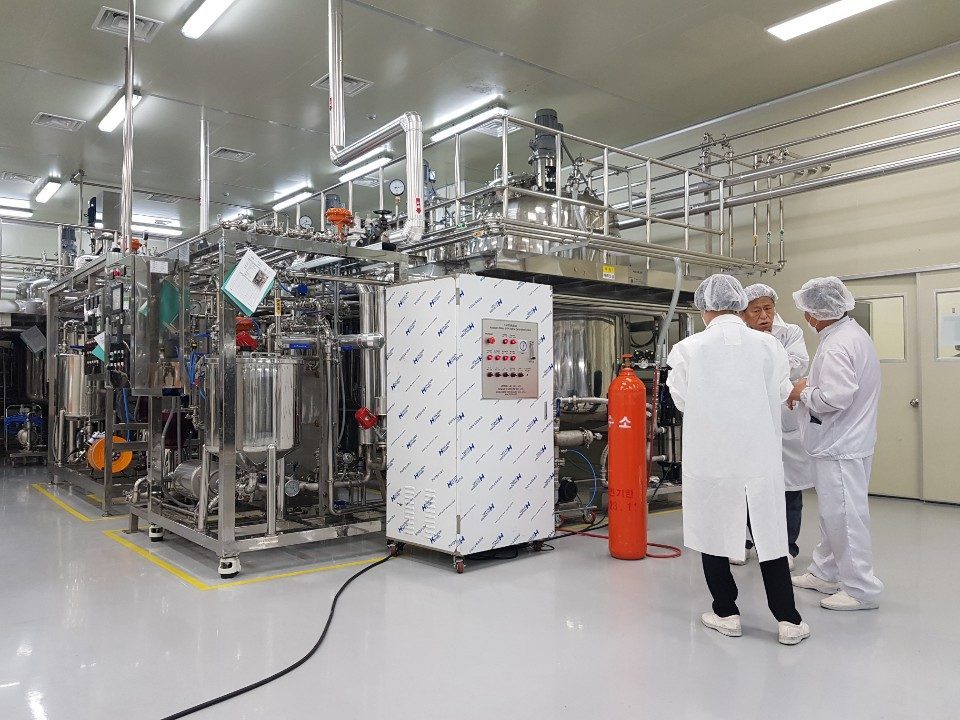
Nano Eco track record: 98.7% of COVID-19 virus inactivated within 30 seconds ¡¤ flotation, deodorization, disinfection, wastewater, lake and river purification.
In tests with oxygen at 2.5 LPM and ozone at 2, 7, 14 and 20 g/h (models NET-2LO and NET-2LOHR), dissolved oxygen rose from 8.5 mg/L to 36–40 mg/L within 10 minutes.
Biosecurity points; Salmonella, E. coli and mold (COVID-19, avian flu, swine fever, etc.); pig barns; color removal in dyeing wastewater
Sewage and water treatment plants, livestock manure facilities, industrial wastewater, algae removal, food processing
All wastewater plants, crude oil production and refineries, oil recovery
Water treatment plants, pools, schools, hospitals, food plants, supermarkets, public baths, ship ballast water
River, lake and pond purification; preventing and removing algal blooms
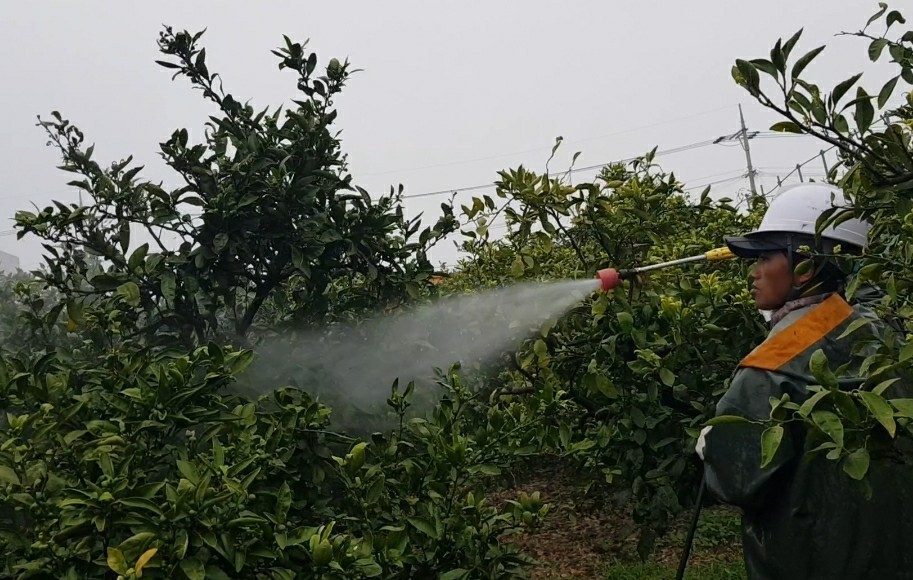
Horticulture, greenhouses and orchards, livestock odor control, pesticide-free farming / fish-farm water recycling, disinfection and oxygenation